Your Inner Compass relaunches as a month-to-month membership in June 2026. Add your email to know when doors open.
When I was pregnant the first time, I wanted to do everything right.
So I started reading nonstop. Books on pregnancy. Books on birth. Books on parenting. I had endless questions for my midwife. The more I read, the more anxious I got. The "experts" all weighed in with opinions, many of them contradictory. I started worrying that my high anxiety was harming my baby. Which, of course, made me more anxious.
I thought if I could just figure out the right way, I wouldn't feel anxious.
You can’t research your way to ready.

I thought I wanted to be the kind of mother who had it figured out. Who had read enough, prepared enough, asked enough questions to feel ready.
That mother doesn't exist.
And chasing her was making me miserable.
What I actually wanted was something quieter. To feel less alone in not knowing. To be softer with myself. To trust I could meet what came, even the hard parts, without having to be perfect first.
That's what I'm offering. Not a way to become the mother who has it figured out. A way to become someone who doesn't need to.
This isn't about staying calm.
Anxiety, worry, anger, grief, all of it. These aren't problems to be fixed. They're part of being alive, and especially part of becoming a mother.
What we want is the capacity to feel what's here and come back to centre. Tools that work in the middle of a difficult appointment. In the middle of the night with a newborn. In the middle of a decision you don't know how to make.
This is the practice. Not getting rid of the hard feelings. Being able to feel them and come back to yourself anyway.
And underneath the tools is something even more important: a lot more kindness towards yourself. Permission to be imperfect. Permission to actually love your whole, imperfect being. Which is exactly what we most want for our children, right?
What People Are Saying
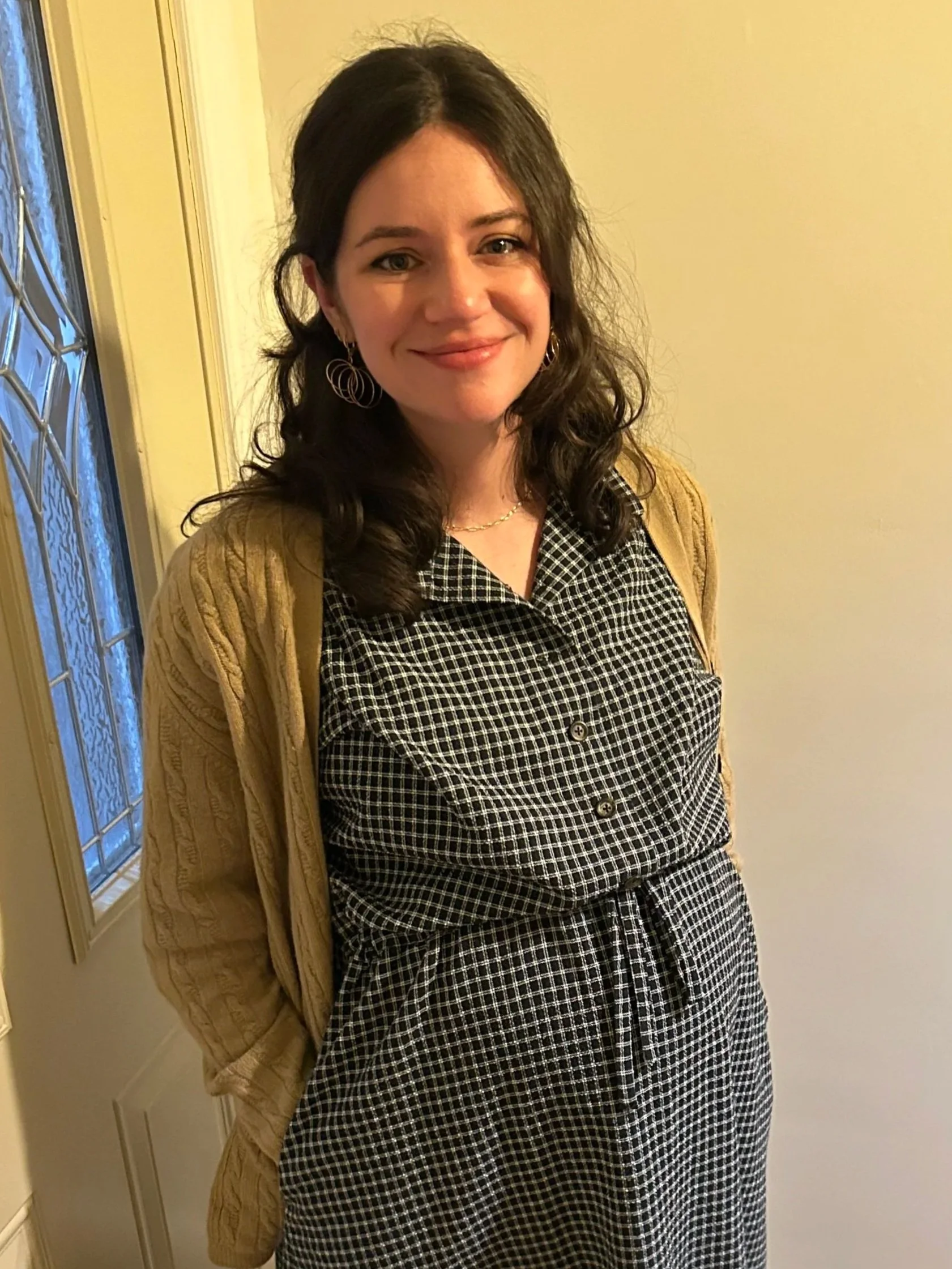
“I was referred to Twyla's program mid way through my pregnancy. I had been working on managing anxiety and trying to be less self critical of my imperfections. Ultimately I wanted to 'fix myself' in time for baby's arrival so that I reduced the likelihood of passing on bad habits to them. The space that I found in Twyla's course was one of support and acceptance. I found it incredibly validating that my worries were shared by other women.
Hearing about how other people also struggled with the same perfectionist ideals of womanhood really allowed me to better understand how the expectations of myself were socially constructed and that not meeting them was not a personal failing. I learned to hold space for my emotions and that they weren't a problem to be fixed. This also allowed me to better identify what I really needed, and be less afraid of asking for it, rather than suppressing and dismissing my feelings and needs.
This course gave me strategies to improve my comfort with the unknown by giving it some structure, and gave me new language with which to name my experience. Ultimately this course fostered self-reflection, self-compassion, and built acceptance of my imperfections and the humanness of the experience of motherhood. I left feeling calmer and with a toolkit of strategies for connecting to myself and my baby. I feel very grateful for having found Twyla's course and community during my pregnancy.”
— Giuliana F., prenatal course client
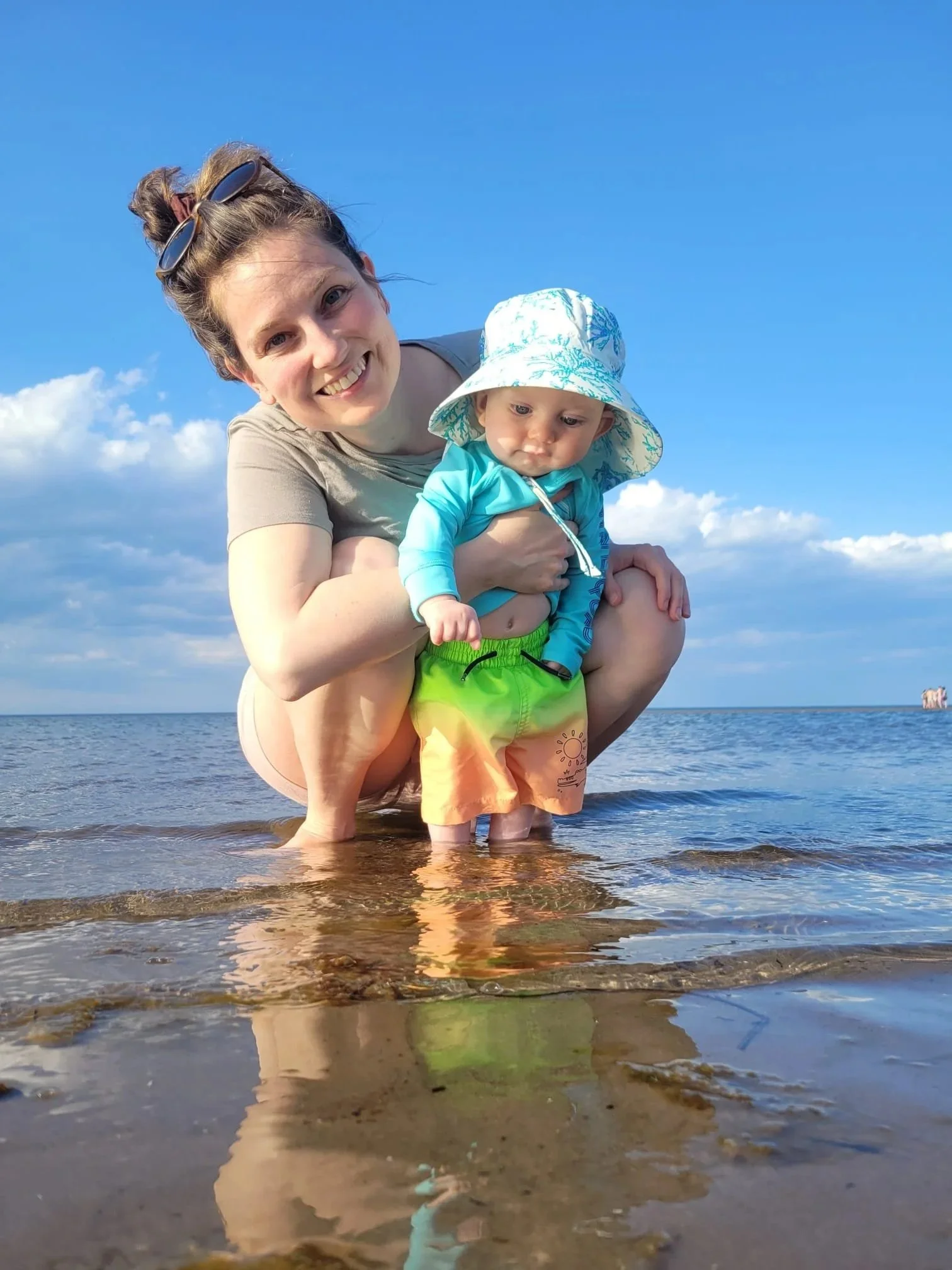
“The biggest impact of this program was the feeling of not being alone. Hearing other women name fears and struggles I’d quietly been carrying during our group calls was incredibly validating and comforting. The program gave me 'permission' to stop striving to do pregnancy and motherhood “perfectly,” which actually became even more meaningful after my baby arrived. Twyla did a great job at making a safe space for the messy emotions like grief, overwhelm, and harder, unspoken parts of pregnancy/postpartum that so often get actively avoided. It helped quiet the constant noise of conflicting Instagram advice and the pressure to always be doing and trying more and more.
What stayed with me most was the way the program helped me come back to myself. Some of the practices stirred up emotions and insights I didn’t even realize I’d been holding, and over time I felt more connected to my body and intuition. I started noticing patterns of pushing too hard — in small moments, like obsessing over exercises to improve Lucian’s latch — and practicing ways to soften instead of forcing. This felt like such a multi-faceted program: not just preparation for birth, but an invitation to build self-trust and embodied awareness through pregnancy and parenting postpartum. Even in the chaos of early motherhood, I now have small ways of returning to myself, and that is priceless!”
— Laura H., prenatal course client
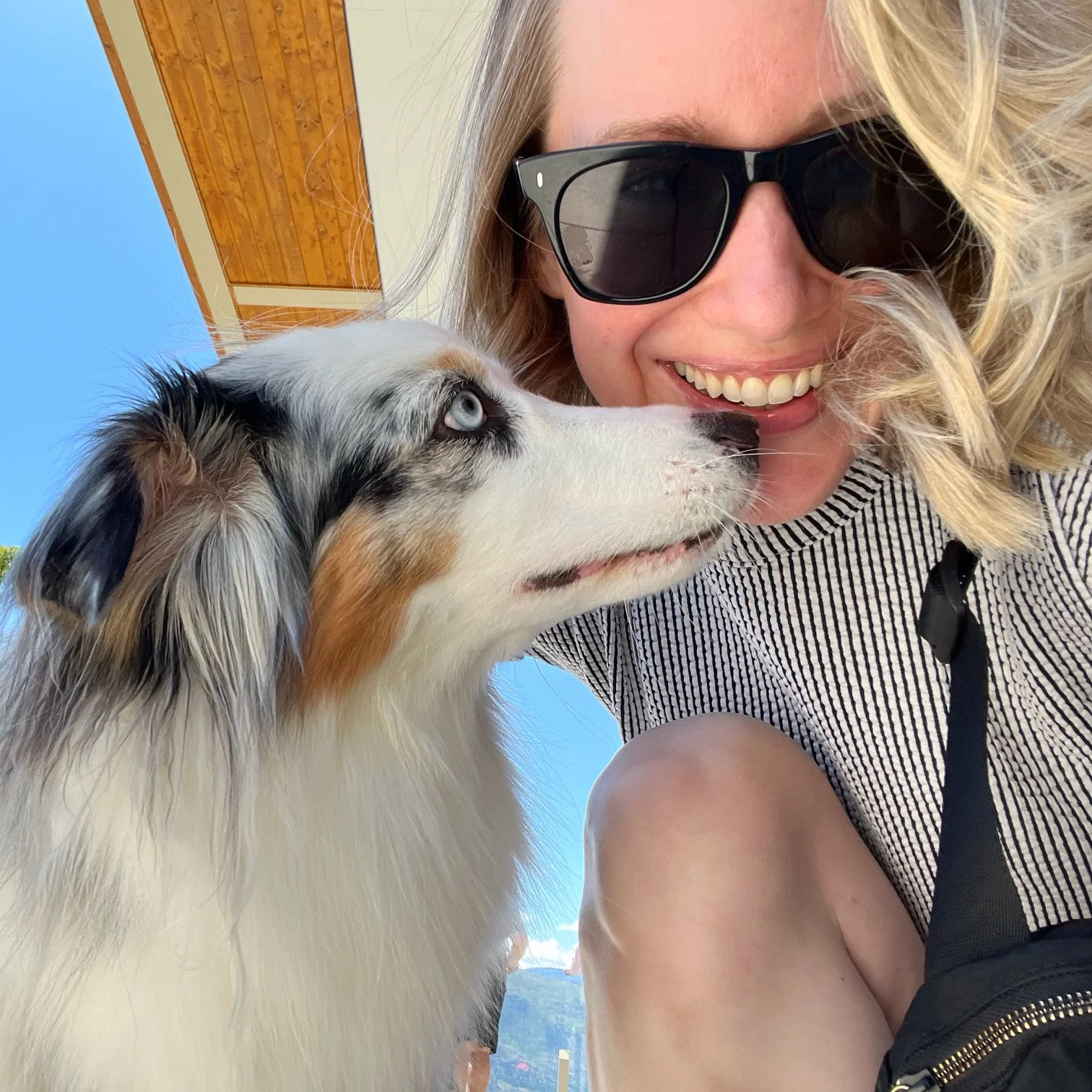
“I’m so glad I found Twyla and her course! I really wanted to do pregnancy and parenting “right”, I just had to fix all the annoying things about myself first! I started the course looking for my perfect self, only to find that my regular self was pretty great AND better suited to the journey ahead. I began to release my people-pleasing habits and instead started listening to myself (whaaaaat)! Doing the modules and going through the exercises was so helpful and grounding, and I loved chatting with all the girls on the weekly calls. When my pregnancy and the birth of my son took a scary turn, I was able to rely on my newfound sense of calm and my natural instincts (that I normally would have ignored). Twyla checked in with me every step of the way, offering support and a kindness I’d never experienced before. I’m so grateful to her for helping me create a firm foundation for myself and my family. “